

Most people think stress is something that lives in the mind.
A busy schedule. Too many responsibilities. Mental overload. Constant pressure to keep up.
But stress rarely stays mental for long.
It settles into the body quietly, often before people even recognize it is happening. Tight shoulders become normal. Clenching your jaw becomes unconscious. Sleep becomes lighter, energy becomes lower, and even moments of rest stop feeling restorative.
Many people are exhausted, yet still unable to fully relax. These stress symptoms often build gradually until the body begins treating tension as normal.
That is the real issue.
Most people never fully come out of stress mode anymore. Even while resting, the nervous system stays activated, constantly scanning, bracing, and trying to keep up with the pace of modern life.
Many people are now looking for healthier ways to manage stress before burnout forces them to slow down.
This is why more people are turning to massage therapy for stress in Norman as part of a proactive wellness routine instead of waiting until tension becomes impossible to ignore.
Massage therapy for chronic stress is about far more than relaxation. It is about helping the body recover from chronic tension, nervous system overload, and the physical effects of long-term stress.
In this guide, we will explore what chronic stress is actually doing to your body, why tension builds over time, how massage therapy supports nervous system recovery, and what makes stress relief massage truly effective.
What Happens to Your Body Under Chronic Stress: Physical Symptoms and Effects

Stress is designed to be temporary.
Your body is built to respond to short periods of stress, recover, and return to balance afterward. That stress response triggers the sympathetic nervous system and the fight or flight reaction, raising heart rate and blood pressure when the body detects perceived threats. The problem begins when the body never fully exits stress mode.
Over time, stress stops feeling like an occasional response and starts becoming your baseline.
Muscles stay tight. Breathing becomes shallow. The stress hormone cortisol remains elevated. Sleep quality declines. Energy drops. Headaches become more frequent. Digestion changes. Over time, this can contribute to a weakened immune system and other diseases. Mental exhaustion becomes part of daily life.
The body holds stress physically, especially in the shoulders, neck, jaw, and nervous system.
Many of these signs of chronic stress become so familiar that people stop noticing them altogether.
That is what makes chronic stress so deceptive. The body adapts to dysfunction and begins treating survival mode as normal.
Your body was not designed to stay alert all the time.
What many people call burnout is often the body staying in stress mode for too long without enough recovery to offset it.
This is exactly why massage therapy for stress matters more than most people realize. Massage can lower cortisol and increase serotonin, supporting the body’s ability to recover and creating a greater sense of calm. It creates space for the body to finally shift out of constant tension and into recovery.
Why Massage Therapy for Stress Relief Works So Effectively
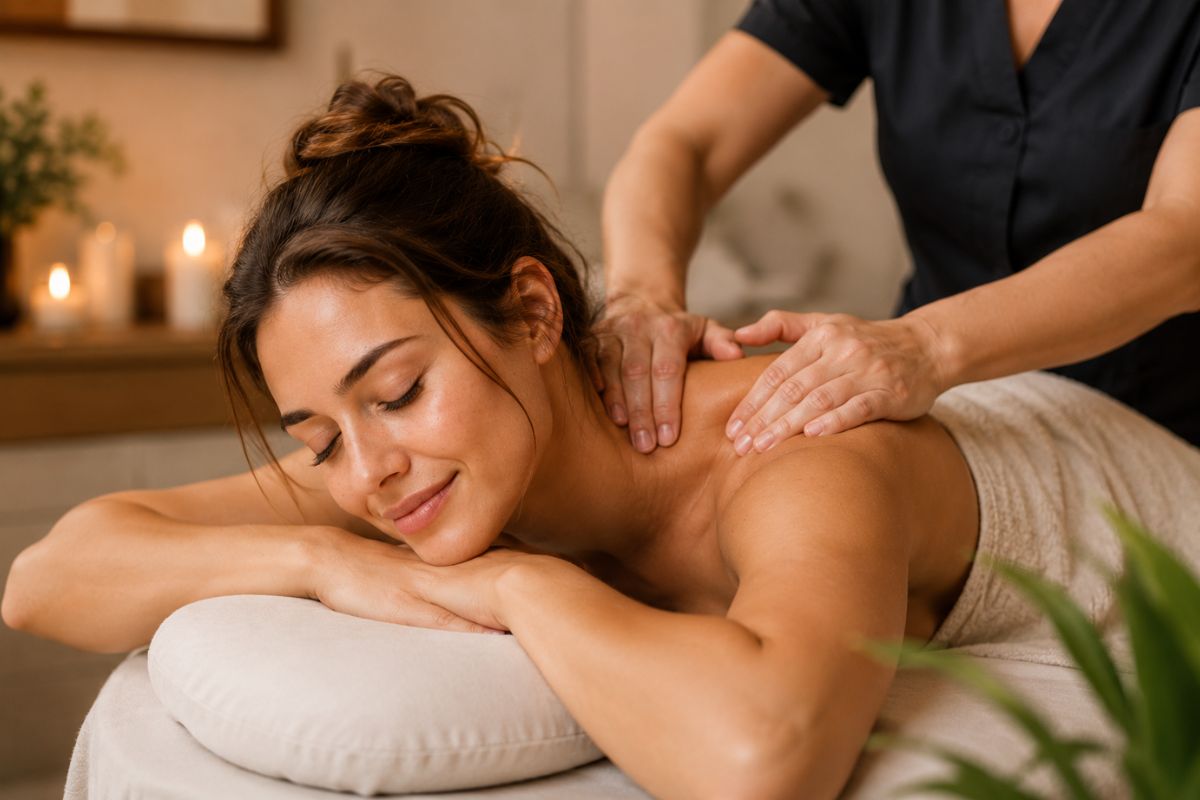
Massage therapy interrupts the stress cycle both physically and neurologically. It can help with immediate relief while also supporting longer-term stress management.
When the body experiences chronic stress, muscles begin guarding themselves automatically. Breathing shortens. Circulation becomes less efficient. The nervous system remains activated even during moments of rest.
Stress relief massage helps reverse that process.
Massage therapy supports the parasympathetic nervous system, often referred to as the body’s “rest and recovery” state. A 2020 study found that just 10 minutes of massage increased heart rate variability, a sign the body was shifting out of the stress response and promoting relaxation.
As the body begins to feel safe, cortisol levels can decrease, serotonin can rise, sleep may improve because serotonin helps regulate melatonin, circulation improves, heart rate may lower, and muscles begin releasing tension they may have been holding for weeks or even months.
This is why massage therapy for stress often creates effects that extend far beyond the massage table itself.
These massage therapy benefits frequently include:
- deeper sleep
- calmer moods
- improved focus
- fewer headaches
- less physical tension throughout the day
- a greater ability to relax afterward
The benefits of massage also include support for mental health, help to improve mood, and less psychological distress, anxiety, or depression.
The goal is not simply temporary relaxation.
The goal is helping the body remember how to recover.
True recovery requires more than rest. Massage can also create mindfulness-like focus on physical sensations, which helps break cycles of mental stress and supports managing stress more effectively. It requires helping the nervous system feel safe enough to relax.
Many people do not realize how tense they are until their body finally lets go.
That is what makes massage therapy such an effective nervous system reset. It gives the body permission to stop bracing for a while, with physical benefits that can reduce stress and support healing and overall well-being.
For many people, that feeling of safety and release has become unfamiliar.
Signs Your Body Needs Massage Therapy for Stress

If any of these feel familiar, your body may already be asking for support.
You wake up tired even after sleeping.
Your shoulders stay tight no matter how often you stretch.
You catch yourself grinding your teeth or clenching your jaw throughout the day.
Your thoughts feel overstimulated, even when you finally sit down to rest.
You struggle to fully relax without distraction.
Your body feels heavy, inflamed, or constantly tense.
You feel exhausted, but your nervous system still refuses to slow down.
These are not simply inconveniences.
They are signs your nervous system needs recovery. These patterns often come from daily stressors and stressful situations rather than a single event.
For many people, stress relief massage becomes one of the first moments their body has truly relaxed in weeks, creating a sense of relief and clarity while helping them reconnect with their mind-body connection.
Many people push through these symptoms for months or years because they assume feeling stressed is just part of adulthood. Eventually, the body adapts to that tension pattern and begins carrying it constantly.
Massage therapy for stress helps interrupt that cycle before unmanaged tension can lead to something more serious physically and emotionally, including weight gain over time.
What Makes Massage Therapy for Stress More Effective?
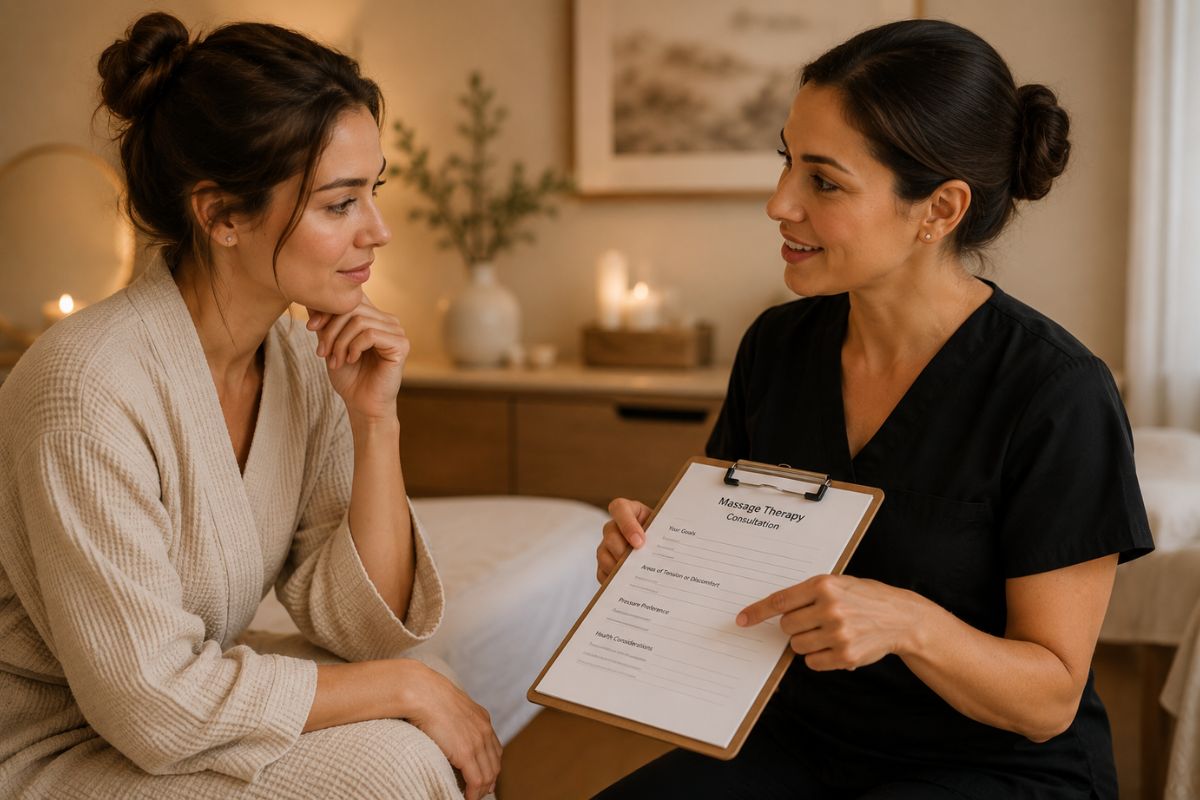
Not all massage experiences create the same results.
The effectiveness of massage therapy for stress depends heavily on how personalized the session actually is.
Many people assume stress relief automatically means deep tissue pressure, but that is not always true. A nervous system stuck in survival mode often responds better to intentional, calming techniques than aggressive pressure.
Customization matters.
The pace matters.
The environment matters.
When the body feels safe, it releases tension more effectively.
That is why personalized pressure, communication with trained massage therapists, and a calming environment all play an important role in creating lasting relief in the safe space needed for emotional release.
For clients seeking massage therapy in Norman, personalized care often creates far more effective results than routine-based sessions.
At Le Visage Spa & Wellness, massage therapy services are approached as intentional wellness care rather than a rushed or transactional appointment. Sessions are tailored to how your body feels that day, allowing the experience to support emotional release, physical recovery, and nervous system regulation at the same time.
Le Visage Spa & Wellness is known for personalized massage therapy in Norman that prioritizes recovery, nervous system support, and intentional care.
The best massage therapy for stress is responsive to the body, not built from a routine.
More Than Massage, Other Ways to Help Your Body Recover

Massage therapy is powerful on its own, but recovery becomes even more effective when the body receives consistent support from multiple angles.
For clients carrying tension in the scalp, jaw, or neck, Head Spa treatments provide another layer of nervous system support while helping quiet mental fatigue.
Infrared Sauna therapy helps reduce inflammation, improve circulation, and support physical decompression without overwhelming the body.
Salt Room Therapy creates space for slower breathing, respiratory support, and a calmer internal state, especially for those carrying stress physically in the chest and shoulders.
The best recovery happens when the body is supported consistently, not only when stress becomes overwhelming.
This is why many clients begin building wellness routines that combine multiple services together. The goal shifts from temporary relief to long-term regulation and recovery.
Simple wellness tips like hydration, sleep, and steady self care between appointments can help the body recover more consistently.
Why People Wait Too Long to Address Stress

Most people do not respond to stress when it first begins, especially when job pressure makes them push through because stress can feel useful for staying alert.
They wait until the tension becomes pain.
They wait until exhaustion turns into burnout.
By then, the body is no longer asking quietly.
They wait until sleep disruption, headaches, anxiety, or chronic tightness become impossible to ignore.
The difficult part is that recovery becomes harder the longer the body stays overloaded.
Your body whispers before it forces you to stop.
Stress does not disappear simply because you have learned how to function through it.
That is why preventative care matters. Regular massage therapy sessions can help professionals manage chronic occupational stress and maintain emotional balance. Consistent support creates far better outcomes than waiting for complete burnout before addressing what the body has been signaling for months.
Experience Massage Therapy for Stress in Norman

You are not lazy.
You are not unmotivated.
You are overloaded.
And your body needs recovery, not more pressure.
Massage therapy for stress is not about escaping life for an hour. It supports long-term health by helping your nervous system recover from the constant demands being placed on it every day.
If you are looking for massage therapy in Norman, therapeutic massage at Le Visage Spa & Wellness supports both physical recovery and nervous system regulation with customized care designed around what your body actually needs.
Whether you are dealing with chronic tension, burnout, nervous system overload, or ongoing stress, customized stress relief massage can help your body recover more effectively. Regular sessions may also lower blood pressure over time and support overall health and energy levels.
Online booking is simple, and each session is designed to feel intentional, calming, and restorative from start to finish.
When your nervous system finally feels supported, your entire body begins responding differently.
Your body is not asking for more productivity.
It is asking for recovery.
Frequently Asked Questions
Does massage therapy help with stress?
Yes. Massage therapy helps lower cortisol, may improve serotonin, relax muscle tension, improve circulation, and support nervous system recovery, which can support relaxation, mood, and overall well-being as the body moves out of chronic stress mode.
How often should you get massage therapy for stress?
The ideal frequency depends on your stress levels, lifestyle, and physical symptoms. Many people experience the best long-term results through consistent sessions rather than waiting until stress becomes overwhelming. Over time, regular sessions can reduce pain, support stress management, and may lower blood pressure.
What type of massage is best for stress relief?
The best stress relief massage often starts with a customized therapeutic massage based on your stress levels and physical tension patterns. Customized massage therapy is often the most effective because it adapts to how your body is responding to stress that day.
Can massage therapy help with burnout and anxiety?
Massage therapy can help support relaxation, reduce physical tension, and calm the nervous system, which may improve symptoms associated with chronic stress, burnout, and nervous system overload. It may also help patients experiencing anxiety or depression by easing physical tension and supporting a calmer mental state.
Can stress cause physical tension in the body?
Yes. Chronic stress often creates physical tension in areas like the shoulders, neck, jaw, and lower back. Ongoing tightness can trigger a fight or flight response and keep the body from fully relaxing. Over time, the body can begin holding stress continuously without fully relaxing.